
Drew County Wanted Module
The sheriff runs a Most Wanted feature inside its official OCV web and mobile system. Reach it through the Drew County Sheriff's Office website. Right now the module holds a single general check-back placeholder. There are no named profiles with photos, charges, warrant dates, rewards, physical descriptions, or last-known locations. Read that result carefully. An empty public feature doesn't mean the county has no active warrants. It just means nothing is posted there. The captured official sheriff navigation confirms Most Wanted is part of the agency's own system.
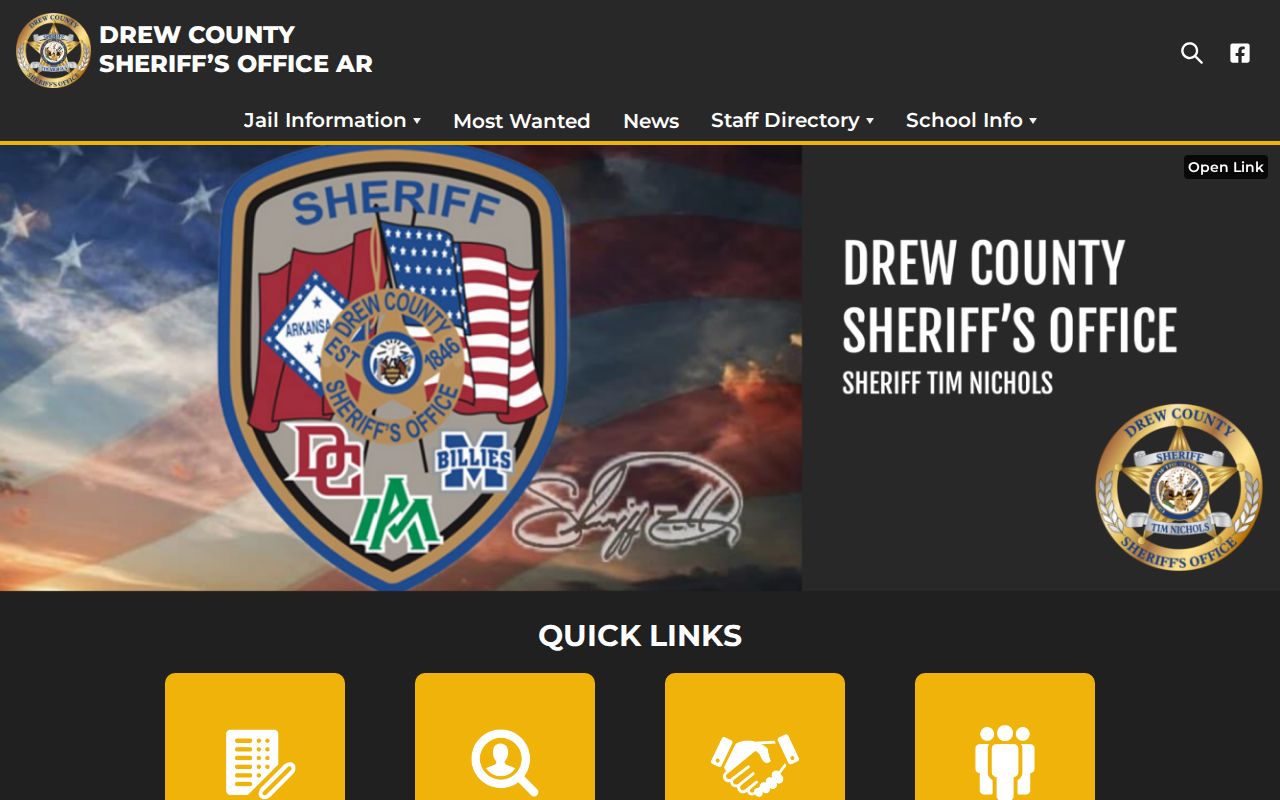
A most-wanted page is an editorial choice. The sheriff picks whom to spotlight, while the full pool of warrants can run much larger and shifts as courts act. No update schedule is posted, and no Drew County "Warrant Wednesday" program exists to fill the gap. Cached names or old social media posts may be stale, so treat them as history rather than current fact. Each visit should start at the live official module. The official Drew County Most Wanted module shows what the public side currently holds. Confirm any warrant through an official channel before acting.
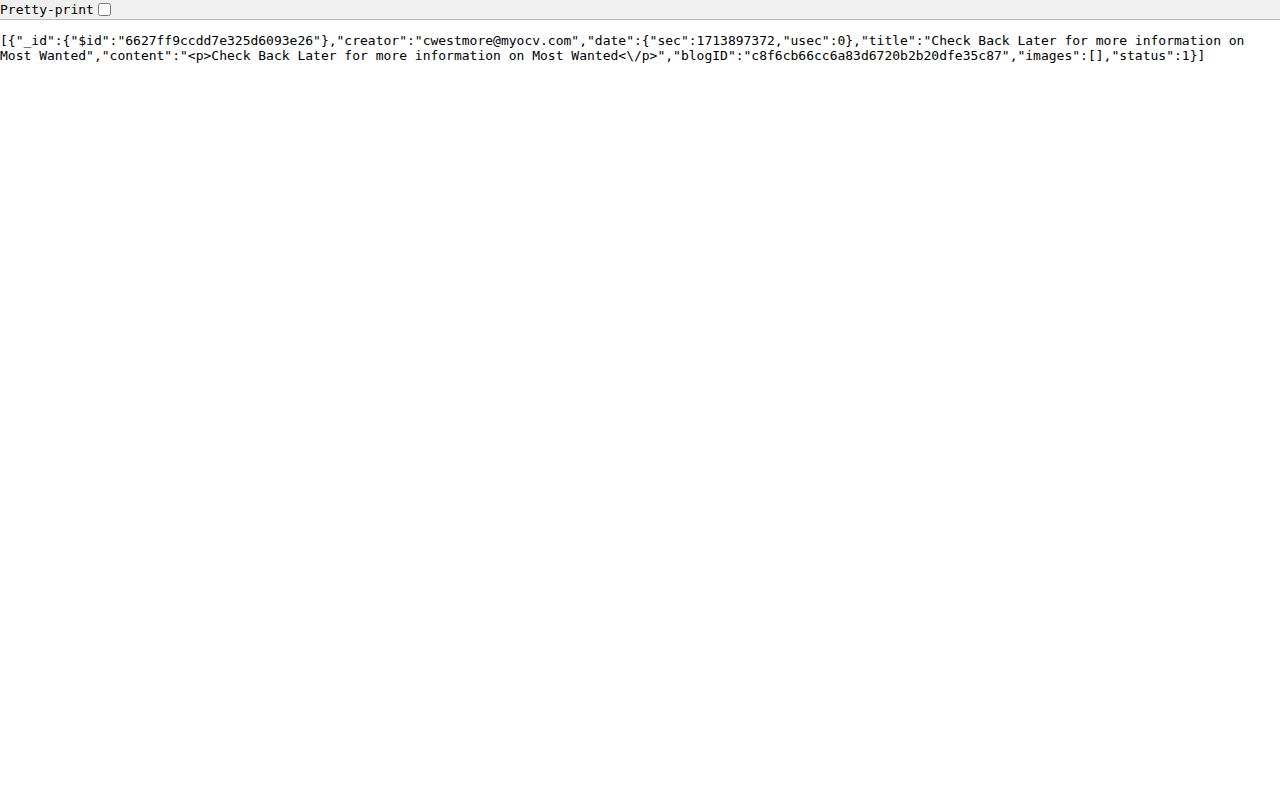
The placeholder tells you only what the module contains. It says nothing about warrants countywide.
Drew County Listing Fields
With no live profile to inspect, there's no way to promise which fields a future entry might carry. That limit matters more than it sounds. Use only what the sheriff actually publishes. Never fill a blank by borrowing a detail from an old news story or a third-party site, since those details travel fast and age badly. If profiles return someday, read the live entry itself and note the source date before repeating anything from it.
| Field | What the official module showed |
|---|---|
| Person name | No named profile was live at the research check. |
| Wanted photograph | No photograph was displayed. |
| Charge or warrant basis | No charge or warrant detail was supplied. |
| Description or location | No physical description or last-known area appeared. |
| Reward or caution flag | No reward term or person-specific warning was published. |
| Update date | No fixed publication cadence was stated. |
Keep expectations modest about what a listing can prove. A photo and a short caption serve one purpose: helping law enforcement find someone. Visual resemblance alone is a weak test of identity. For a court outcome, go to the docket and the clerk.
Safety: Never approach, follow, message, or confront anyone law enforcement identifies as wanted, and call 911 if danger is immediate.
Use Drew County Wanted List
The feature works best in a set order. Start with the live sheriff source and keep the published wording intact. Don't guess from a photograph. Send a tip only when your information is concrete. One more wrinkle: a capture taken after an arrest might show a current-custody entry, but a person missing from the jail roster could still have an open warrant. Neither list answers the other's question.
- Open the sheriff's official site and select Most Wanted. Confirm that an actual profile is live, rather than a placeholder or an old cached result.
- Read the profile date and every agency-supplied detail. Do not add charges, locations, or caution labels from another source.
- If you recognize useful facts, record the place, time, and event details without approaching the person.
- Use the official tip form for a nonemergency investigation tip. Call 911 for a crime in progress or an immediate threat.
- After a reported capture, check the Drew County current-custody and booking-record paths, then use the court docket for the later case outcome.
The county roster covers people held right now at the Drew County Jail and Detention Center. It is not a warrant list. Someone can have a warrant without showing up in custody. And someone sitting in the jail may be held on matters the Most Wanted feature never selected. The two tools overlap, but each answers a different question.
Check Drew County Warrants
No verified Drew County portal lets you type a name and get live warrant status. Search ARCourts can display public docket events, yet it isn't a warrant database, and its online output isn't an official court record either. For a real answer, use three routes. The Drew County Sheriff's Office is one. The Drew County Circuit Clerk is another. Legal counsel is the third, when the matter touches you personally.
- Gather the full legal name and enough identifying context to avoid confusing two people. Do not rely on a photo alone.
- Call the Drew County Sheriff's Office at 870-367-6211. Ask which official unit can address a warrant-status question.
- Review Search ARCourts by participant or case number, narrowed to Drew County and the proper court. Treat any result as a lead, not live confirmation.
- Call the Drew County Circuit Clerk at 870-460-6250 for records held by that office. The clerk can address its file, not every law-enforcement database.
- If the possible warrant concerns you, contact an attorney or the issuing court to verify it and arrange a lawful response.
The Association of Arkansas Counties directory for Drew County offers a second official path to sheriff and clerk contacts for the county.
That directory can tell you which local offices hold which records. It won't run a warrant search by name. Don't test your luck by seeing whether an arrest happens, and don't look for ways around police contact. A court or an attorney can explain the next legal step without putting you, your family, officers, or bystanders at risk.
Note: A blank Most Wanted module and a blank roster search do not prove that no Drew County warrant exists.
Drew County Warrant Types
A warrant label tells you why a court authorized law-enforcement action. It doesn't tell you the whole story. Exact wording and current status live in the issuing court's record. So resist the urge to stretch a broad docket label from memory. The common distinctions below help you aim a Drew County question at the right office, without pretending the public website is a complete warrant index.
| Record type | What it generally means | Best confirmation path |
|---|---|---|
| Arrest warrant | A court-authorized order tied to an alleged offense. | Issuing court, attorney, and sheriff verification. |
| Bench warrant | A court order often tied to a missed appearance or failure to follow a court direction. | Court docket and clerk file, then counsel. |
| Docket reference | An online event that may mention warrant action but may not show current service status. | Clerk's official record and issuing agency. |
| Most Wanted profile | A person the sheriff elects to publicize. It is not a warrant type or full list. | Live sheriff profile plus direct verification. |
Warrants don't sit still. A court can serve one or recall it. It may quash a warrant too. Courts can also change one through later action, which is why an old screenshot can't answer a present-tense question. A copied article falls short the same way. So does a commercial record site. For the current status, ask the records custodian directly. Then follow whatever the court directs.
Drew County Tip Form
The official Submit a Tip form is separate from both the Most Wanted module and a warrant check. It accepts name, email, and phone as optional fields. Tip details and an incident date and time are required, and location information can be added. The form is intended for information about ongoing investigations. Its warning directs emergencies and crimes in progress to 911.
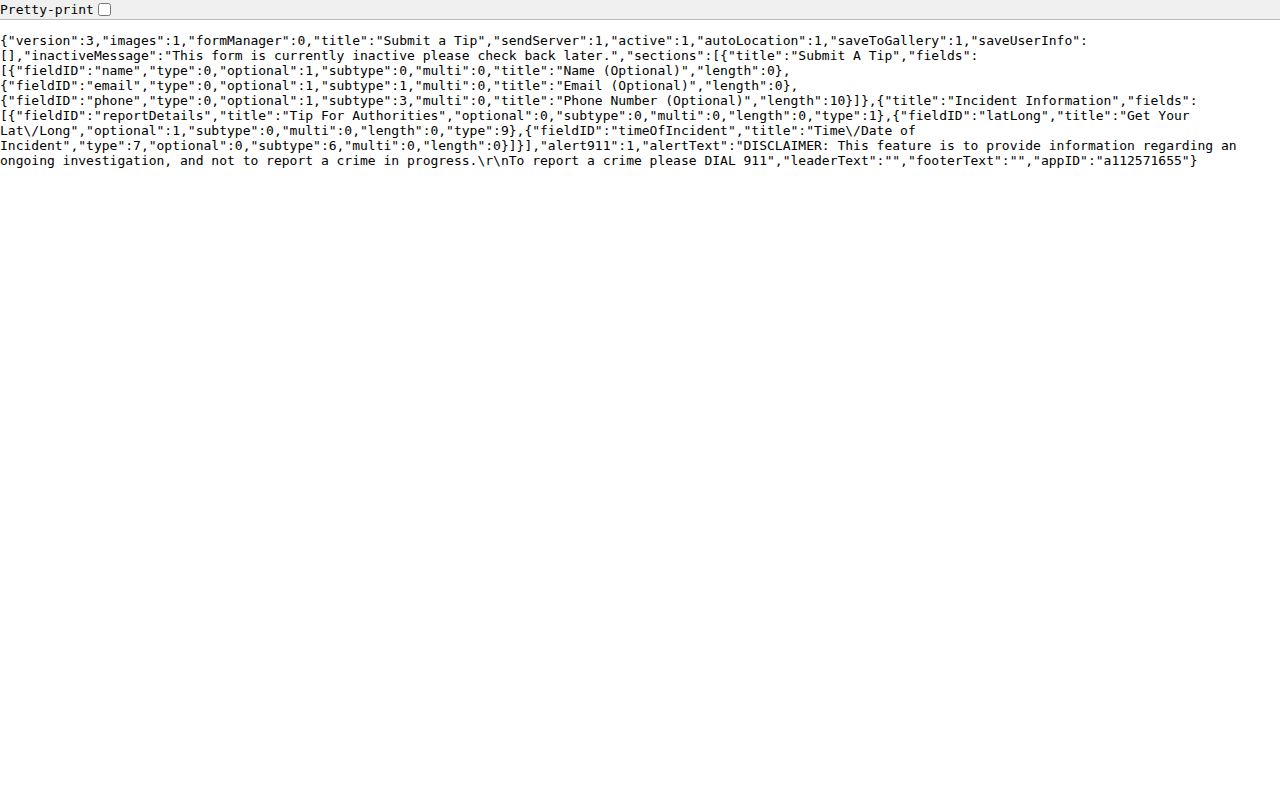
The interface shows what a tipster can submit. It does not promise anonymity, confidentiality, payment, or a reward, so none should be assumed.
Drew County Sheriff's Office210 South Main Street
Monticello, AR 71655
870-367-6211, available 24 hours
Administrative hours: Monday-Friday, 8:00 a.m.-4:30 p.m.
Emergency: 911
Give facts, not conclusions. Useful details can include what was observed, when and where it occurred, and why it may relate to the investigation. Never collect more information by following or confronting someone.
Drew County App Signals
The official Drew County Sheriff's Office app is available through the sheriff's OCV app share page, Apple's App Store, and Google Play. Its system includes the same Inmates feed used by the website, along with safety news, tips, crime reporting, and other public outreach. The app does not create a second warrant portal or a deeper Most Wanted archive.
Facebook and the sheriff's news features can carry public notices, yet no evidence shows that every warrant, booking, or wanted profile is posted there. Social content can also remain visible after facts change. Treat it as an alert that sends you back to the live sheriff source, not as final proof. For custody-change notices, Arkansas VINE serves a different role and does not provide booking photos.
Note: The Drew County app is a convenient official access point, but its Inmates feed still covers current jail custody only.
Resolve a Drew County Warrant
Anyone who believes a warrant may affect them should use a lawyer or the issuing court. That route allows the order, case number, court, and current status to be checked before the person makes a lawful appearance or follows other court instructions. Family members can share the sheriff and clerk contacts, but they should not arrange a confrontation or give advice about avoiding service.
Keep the systems separate while checking what happened. The Most Wanted module shows only people selected for public attention. The Drew County roster shows people who are in county jail custody at the time of the search. Search ARCourts follows filed cases, and an Arkansas Department of Corrections profile applies to a sentenced state offender rather than an ordinary county intake. A person may move from one custody stage to another, or appear in a court file without appearing in either public sheriff feature. These gaps are why a direct sheriff, clerk, court, or attorney check is needed for present warrant status.
They can be amended or dismissed, and a case can end in several ways. Drew County lies in Arkansas's Tenth Judicial Circuit. Circuit court handles felony matters, while some lower-level cases proceed in district court. Search ARCourts can help locate the docket, then the clerk's file supplies the official record. A disposition is the court-recorded outcome, such as a dismissal, plea, trial result, or judgment.